Applications
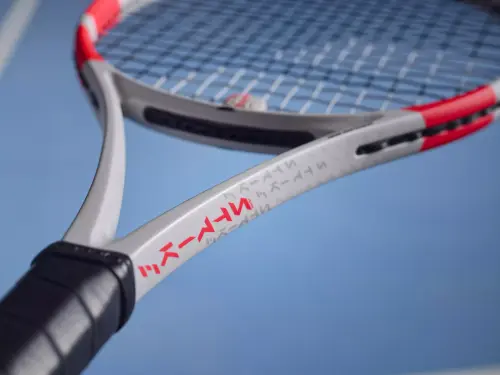
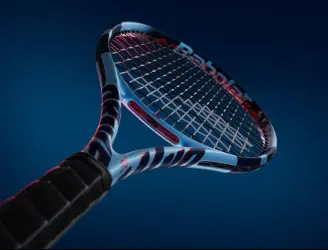
Tennis rackets – Babolat
Why flax?
Flax and especially the FlaxTape, improves vibration damping.
This provides players with greater comfort and control, reducing muscle fatigue during long sessions.

Snowboards and skis: Jones, Fischer, Rome
Why flax?
FlaxDry and Fibrimat reinforcements provide precise flex and dynamic comfort to snowboards and skis, while reducing their weight.
Flax optimizes the mechanical strength and responsiveness of equipment on groomed runs or in powder.

Surfing, Kite surfing - Duotone
Why flax?
Some boards, like Duotone , incorporate flax to reduce weight while maintaining rigidity and strength.
Flax naturally absorbs vibrations, improving comfort and water feel, while also reducing the environmental footprint.

Mass-produced part - Beneteau
EcoTechnilin participated in the development of TER²A MAT, a hybrid glass/hemp reinforcement, with Chomarat and Beneteau, used for mass-produced composite parts. This material makes it possible to replace up to 15 tons of fiberglass per year, reducing the carbon footprint while maintaining performance and final properties.
Flax benefits
- Weight reduction : density ~1.45 g/cm³, up to 30% stiffer than glass fibers
- Vibration damping : hollow fiber structure improving comfort and control
- Process : RTM, infusion, thermocompression, hand lay-up
- Industrial replicability : standardized architecture to guarantee consistency of properties
- Aesthetics and differentiation : a natural and premium look that enhances the product
- Reduced environmental impact : local, bio-based and traceable fibers
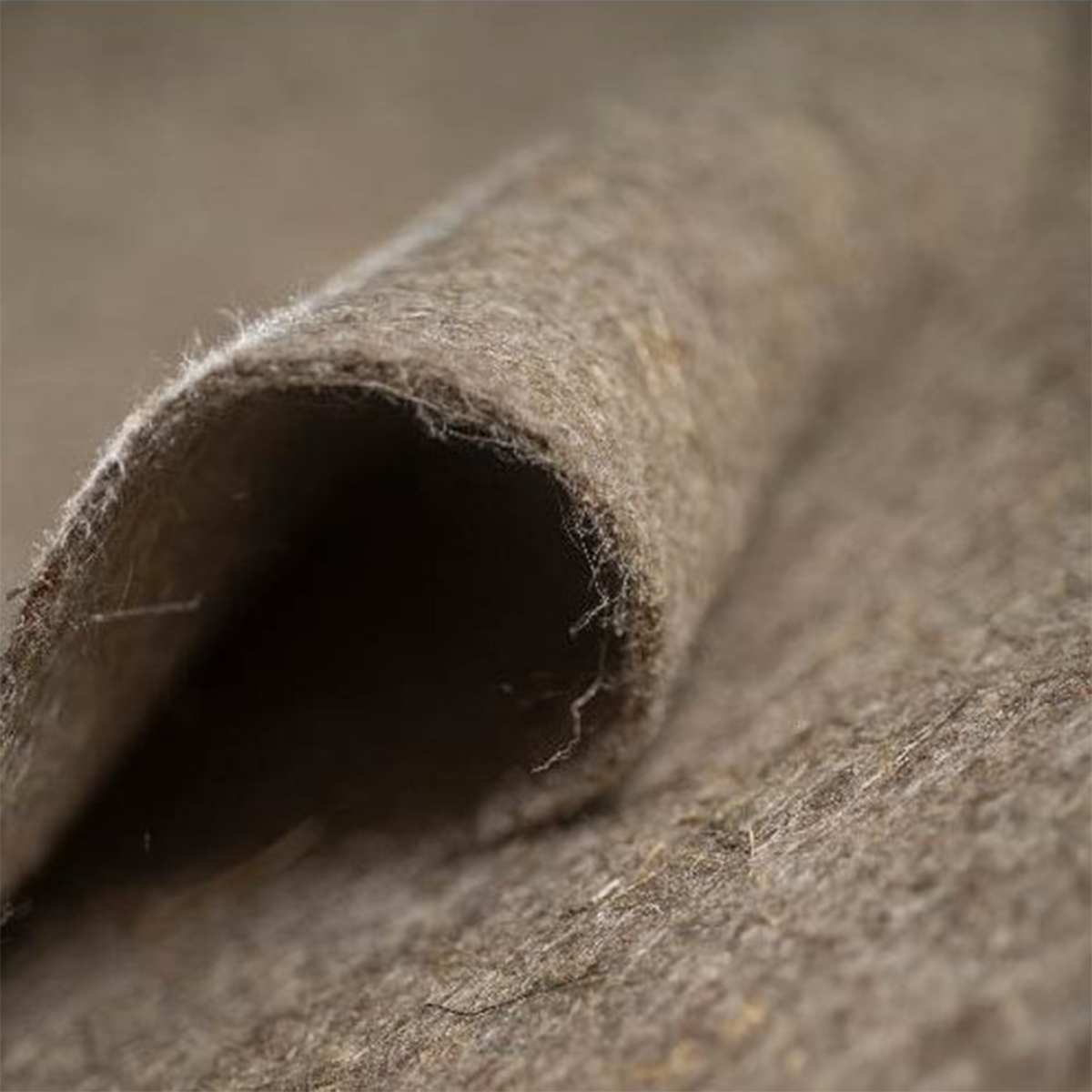
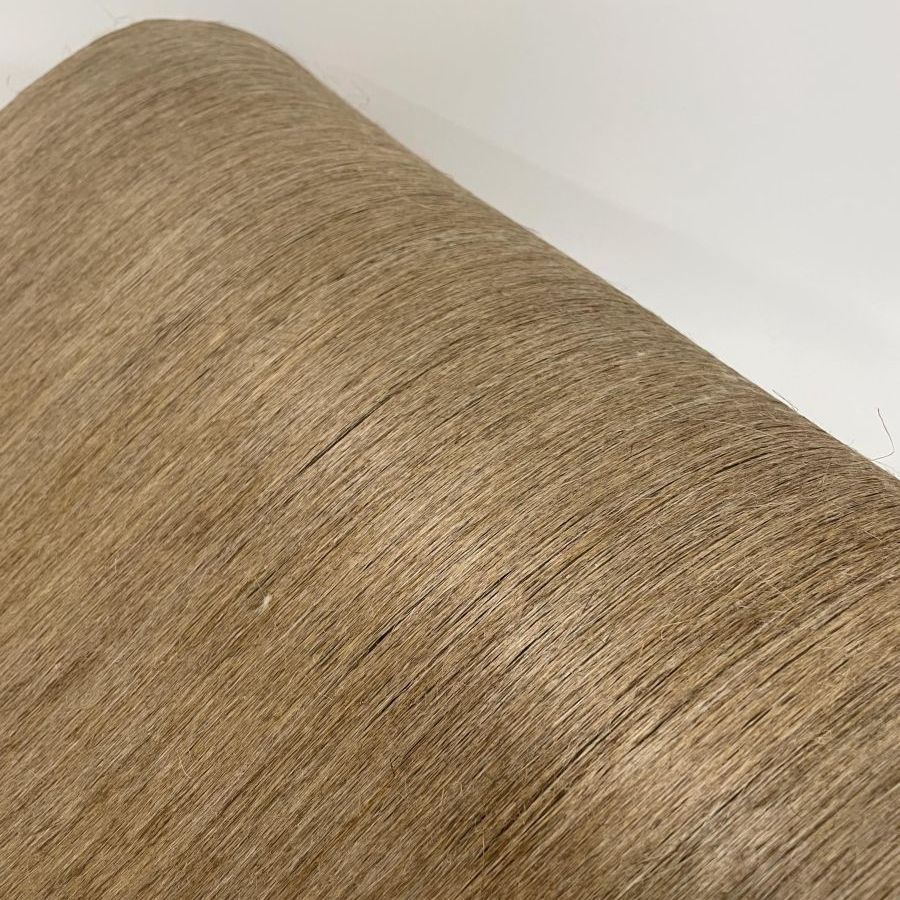
FibriMatNonwoven fabric | FlaxTape®Unidirectional |
| Its finish gives an organic effect. The ideal solution for complex 3D shapes, its deformability allows complex parts to be molded. | Unidirectional fibers create natural veins reminiscent of wood, offering warmth, softness, and mechanical performance. |
 |  |
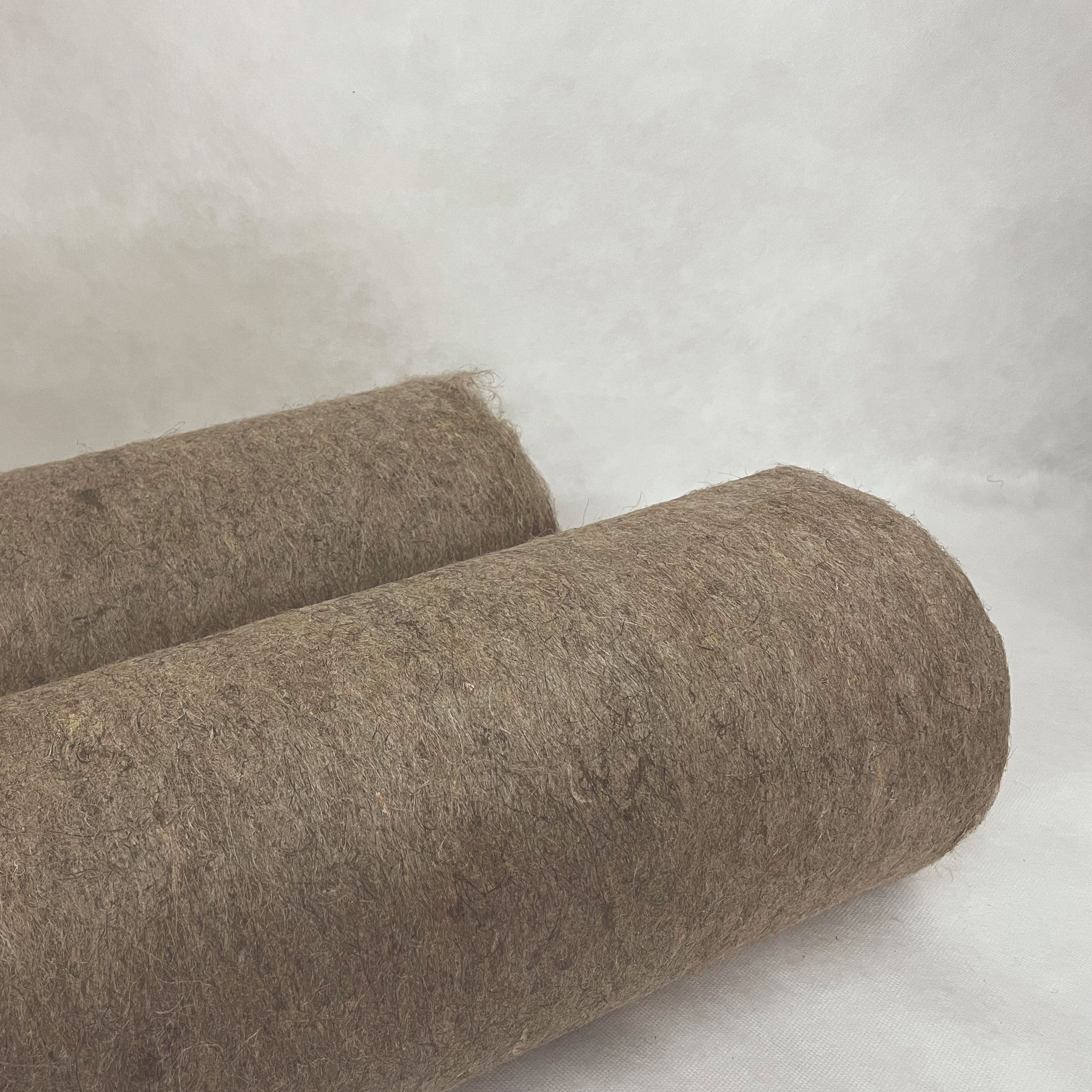
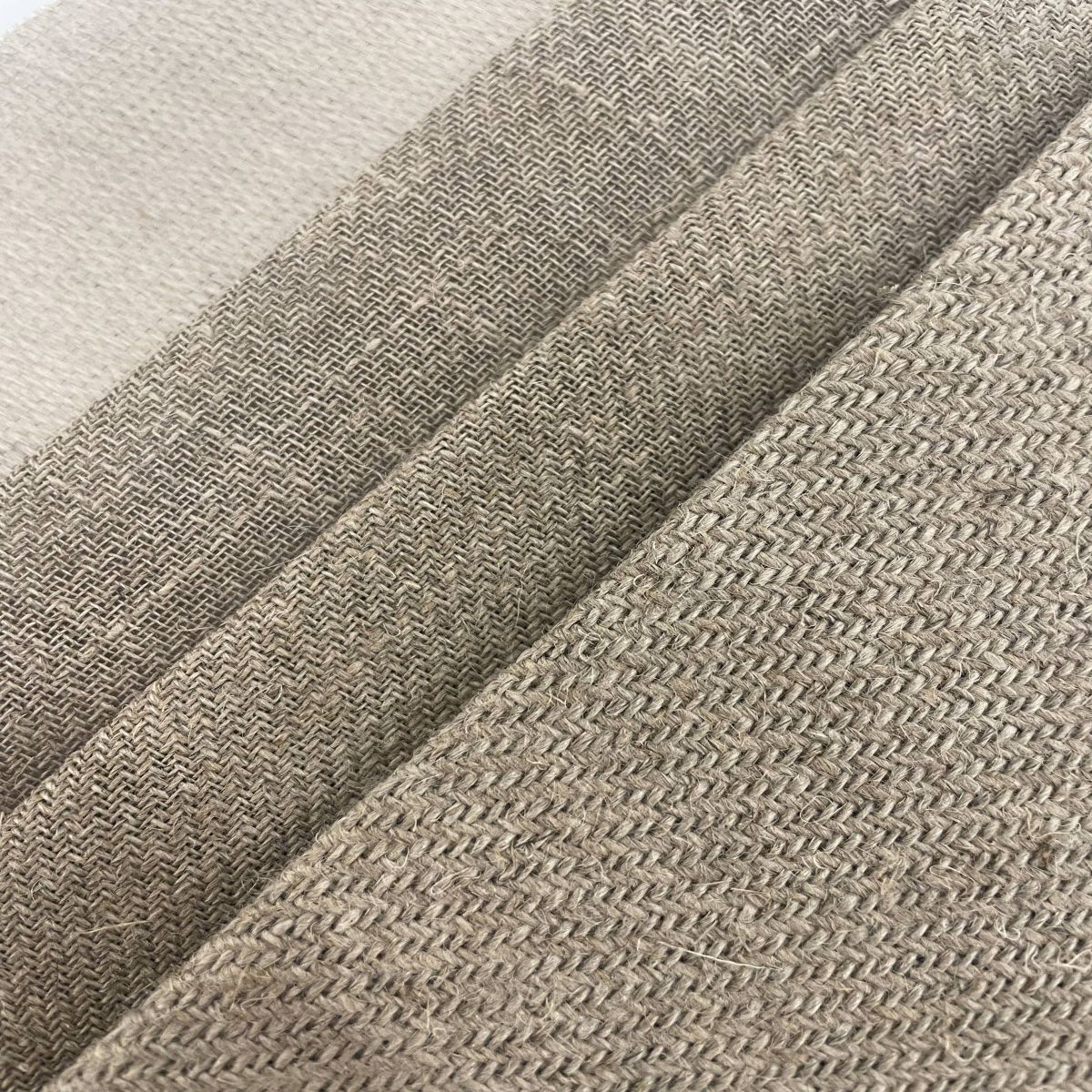
Fibrilight®Lightweight multidirectional mat | FlaxDryTwill fabric |
The short fibers of flax or hemp form a random, organic texture that evokes the softness of natural felt, offering lightness, drapability, and versatility in use. | Recalls regular, geometric patterns and gives your designs a graphic rhythm, while offering sufficient mechanical properties. |
 |  |