
Reducing our environmental impact by cutting energy consumption and promoting the use of bio-based materials: this is Ecotechnilin's raison d'être. Our environmental commitment is not an option – it is the very core of our business.
ISO 14001 Certification: Exemplary environmental management

Ecotechnilin is certified ISO 14001, the international reference standard for environmental management systems. This certification reflects our commitment to identifying, controlling and continuously reducing the environmental impact of our activities. Our environmental management system enables us to:
- Optimise our resource and energy consumption
- Reduce our emissions and waste
- Prevent potential pollution
- Comply with the most stringent environmental regulations
EcoVadis Gold Medal: A recognised CSR approach
Our Corporate Social Responsibility (CSR) policy has been awarded the EcoVadis Gold Medal, a recognition that places us among the top-performing companies in terms of sustainable development.
EcoVadis is the most recognised CSR rating platform worldwide. It evaluates companies across four fundamental pillars:
- Environment: resource management, emissions reduction, biodiversity
- Social and Human Rights: working conditions, health and safety, social dialogue
- Ethics: integrity, transparency, anti-corruption
- Responsible Purchasing: supplier selection and monitoring
This Gold Medal reflects our overall commitment and the consistency of our CSR approach at every level of the company.
Carbon Footprint: Naturally low-impact products
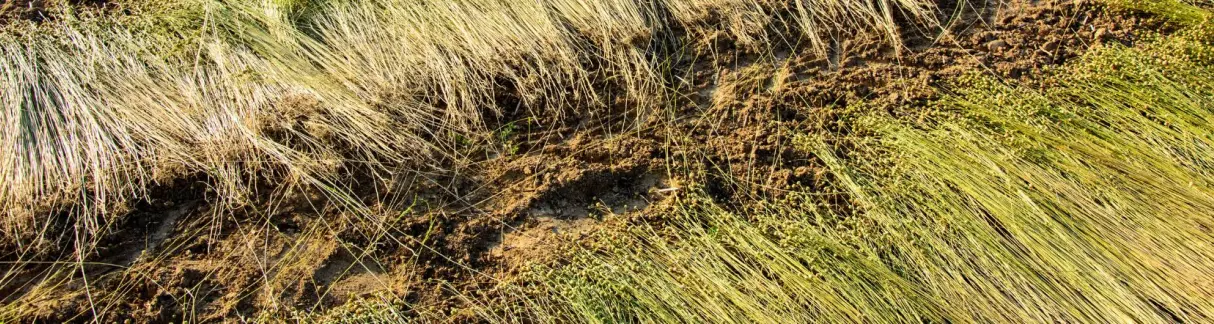
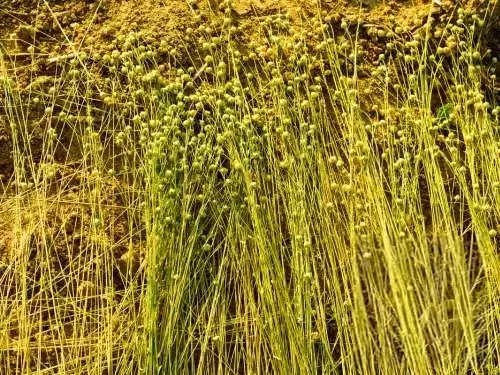
The use of natural fibres such as flax, hemp or kenaf provides a major environmental advantage. Compared to conventional materials, our solutions have a significantly lower carbon footprint:

1 tonne of flax = 123 kg of CO₂ vs 2,500 kg of CO₂ for fibreglass
Recycled and recyclable products
Our range incorporates recycled fibres in our thermoplastic composites.
The strength of natural fibres, combined with their high aspect ratio, allows thermoplastic composites to be recycled multiple times without degrading their mechanical properties.
Contribution to vehicle lightweighting
By supplying composite materials lighter than conventional solutions, we directly contribute to reducing vehicle fuel consumption and CO₂ emissions. A 100 kg weight reduction equates to approximately 10 g less CO₂ per kilometre – a significant impact over a vehicle's lifetime.
Employee safety: Our absolute priority
The health and safety of our employees are at the heart of our concerns. Across our 3 production sites, we have implemented a rigorous safety policy built around several key areas:
Risk prevention
We systematically identify and assess occupational risks in order to implement appropriate prevention measures. Our teams are regularly trained in best practices and safety procedures.
Equipment and working environment
Our production sites are equipped with high-performance ventilation and extraction systems. We continuously invest in improving workstation ergonomics and in appropriate personal protective equipment.
Safety culture
Safety is everyone's responsibility at Ecotechnilin. We encourage the reporting of information and the involvement of every employee in the continuous improvement of our working conditions. Regular Safety Walks and tracking indicators allow us to measure our progress and identify areas for improvement.