What is Non-Woven?
Unlike traditional textiles you may know (such as the fabric in your clothes), non-woven material is neither woven (with a warp and weft) nor knitted.
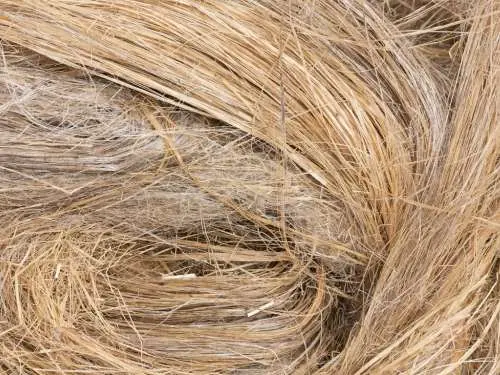
Non-woven is a web of fibers that are consolidated together. The major advantage of this structure is its versatility. By overcoming weaving constraints, we can create technical materials with specific properties (absorbency, filtration, insulation, resistance) more quickly and often more economically.
Our Technology: Needle-punching Consolidation
In the world of non-wovens, several methods exist for bonding fibers (chemical, thermal, hydraulic). We have chosen the mechanical consolidation route, also known as Needle-punching.
- The Principle: Thousands of needles equipped with barbs (small hooks) penetrate the fiber mat at very high speed.
- The Process: As they enter and exit the material, these barbs carry the fibers and interlock them vertically, creating fiber bridges between the surfaces.
- Why Needle-punching?
- Resistance
- Ecology
- Stability.
Our Industrial Process: Step by Step
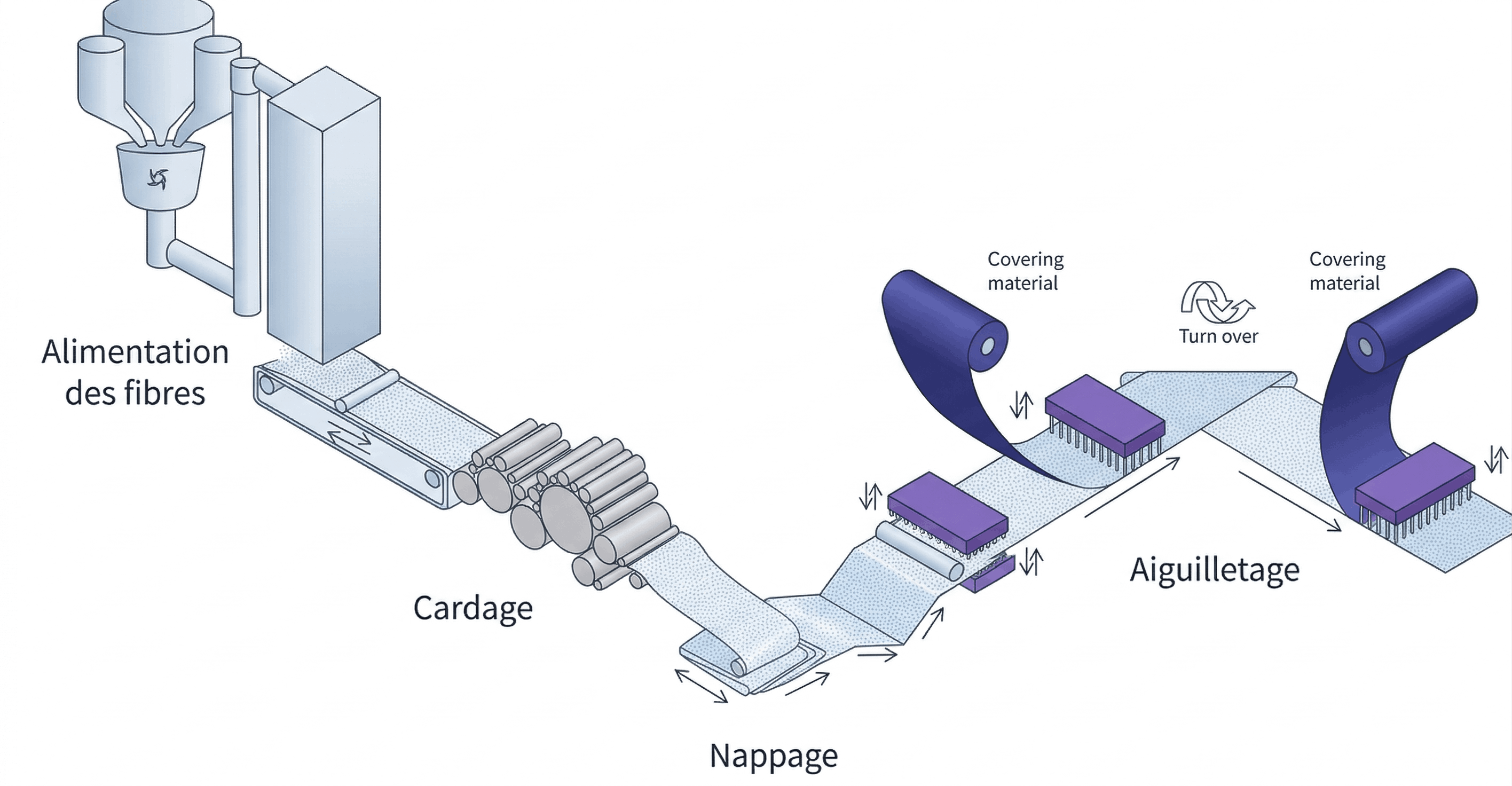
- Opening and Blending
- Carding
- Cross-lapping
- Needle-punching
- Cutting and Winding
- Packaging
Complete control of the supply chain: From field to finished product.
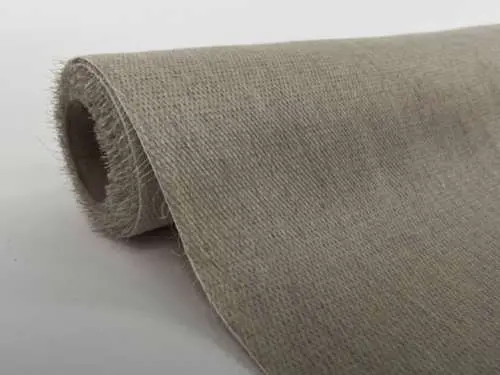
Upstream: The Strength of our Farmer Shareholders:
- Volume securing
- Cost stability.
Tow Preparation and Processing:
- Mastering the technology
- Conducting specific developments,
- Avoiding market fluctuations caused by industrial tool saturation.
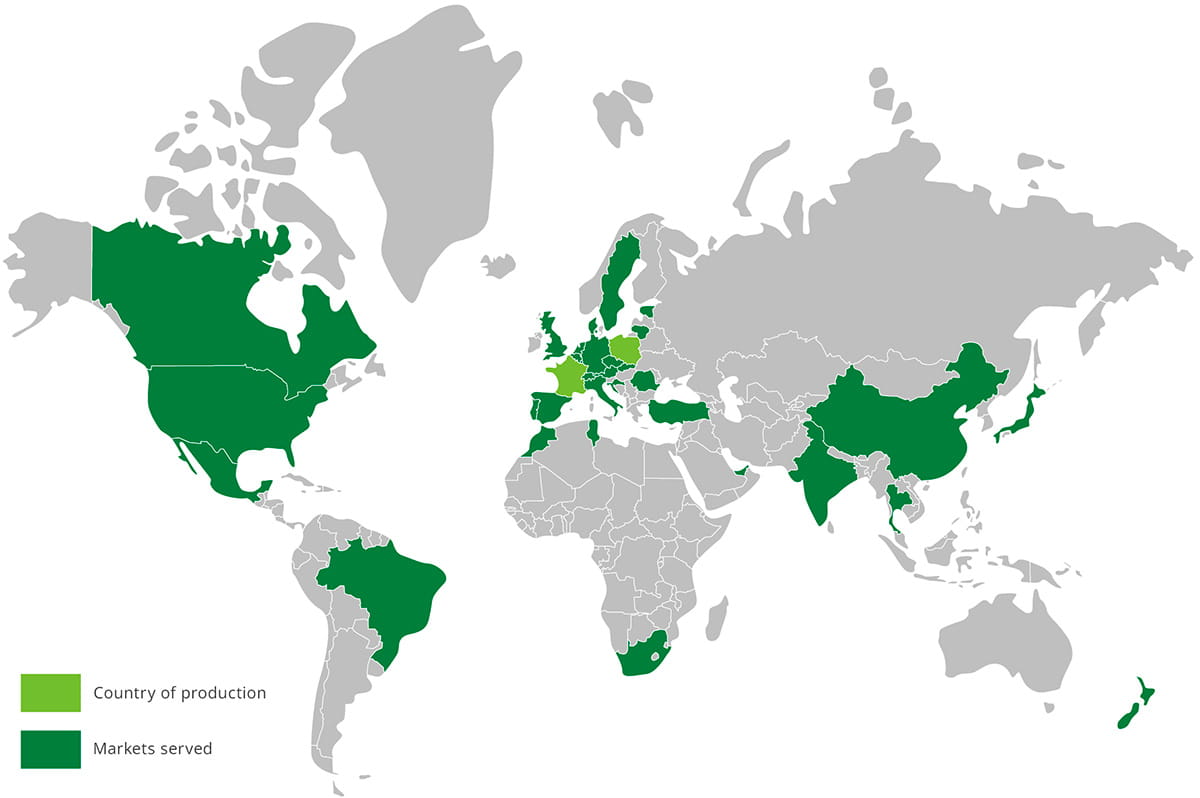
A European Powerhouse: France & Poland
Eco-technilin Innovation: The "Tape" Line
Beyond non-wovens, Eco-technilin invests in the materials of tomorrow with its production line dedicated to Flax Tape (Unidirectional flax).
- Capacity: 3,000,000 m²/year.
- Applications: Ultra-light composite structures, local reinforcements, sports equipment, and wall coverings.